
Berrien Court Record Scope
The Alapaha Judicial Circuit and Berrien County courts are record systems, not detention facilities. Court files explain why custody began, what bond was ordered, how charges ended, what sentence was imposed, and whether probation or revocation followed. They do not operate the jail door or create the actual time stamp when a person left custody.
That difference is useful. A released person may vanish from the current roster, but the case survives. Pair the sheriff's booking and release record with the court's order or disposition. If the sentence led to state prison, add GDC. If it led to parole or felony probation, add the Parole Board or DCS.
Berrien Release Court Paths
The county's court overview says Magistrate Court handles arrest warrants, search warrants, and first appearances where bond is set. Superior Court is a court of general jurisdiction and handles felony criminal actions. These roles can appear in the same release timeline.
A total bond on OffenderIndex does not prove that bond was posted. The Magistrate record can explain the initial bond order, while the jail confirms release. A Superior Court file can show a plea, dismissal, sentence, probation term, or later revocation. Identify the court named in the jail charge details before requesting a file.
Confirm Berrien Release Orders
- Search the sheriff roster for the booking and release fields.
- Note the warrant number, charge, statute, and named court.
- Ask the clerk for the matching docket and disposition.
- Compare the order date with the jail release date.
- Follow any transfer to GDC, another jail, BOP, or ICE.
The jail and court dates can differ without conflict. A judge may sign an order before staff complete release processing. A sentence may authorize release after credit calculation. A transfer order may end county custody without community release. Ask each custodian to confirm the event it controls.
The Berrien released-inmate overview gives the remaining state and federal branches. Similar names require a case number, date of birth, charge, or other identifier before records are combined.
Berrien Court Records Contact
The Clerk of Superior Court is at 201 North Davis Street, Room 230, Nashville, Georgia 31639. The office phone is 229-686-5506, fax 229-543-1032, and email shawna.hughes@gsccca.org. Hours are Monday through Friday from 8:00 a.m. to 5:00 p.m. The county page says the clerk manages Superior, Juvenile, and Traffic records.
Request the precise document needed: docket, bond order, accusation or indictment, plea, judgment, sentence, probation order, revocation disposition, dismissal, or certified copy. Provide the party name, approximate filing date, case number if known, and charge. Fees may depend on the search and certification requested.
Berrien Online Court Portals
Georgia Courts provides an e-access directory, and statewide tools include re:SearchGA and PeachCourt. The Berrien clerk page also references GSCCCA eCert for certified court and real-estate records and EZ-Filing for criminal cases and pleadings. Portal coverage, account rules, document access, and fees can differ.
An online docket is a finding aid, not always the full file. If the disposition, signature, certification, or later amendment is missing, contact the clerk. A portal result should also be checked against the county and case number because names recur across Georgia.
The matching manifest capture comes from the re:SearchGA portal.
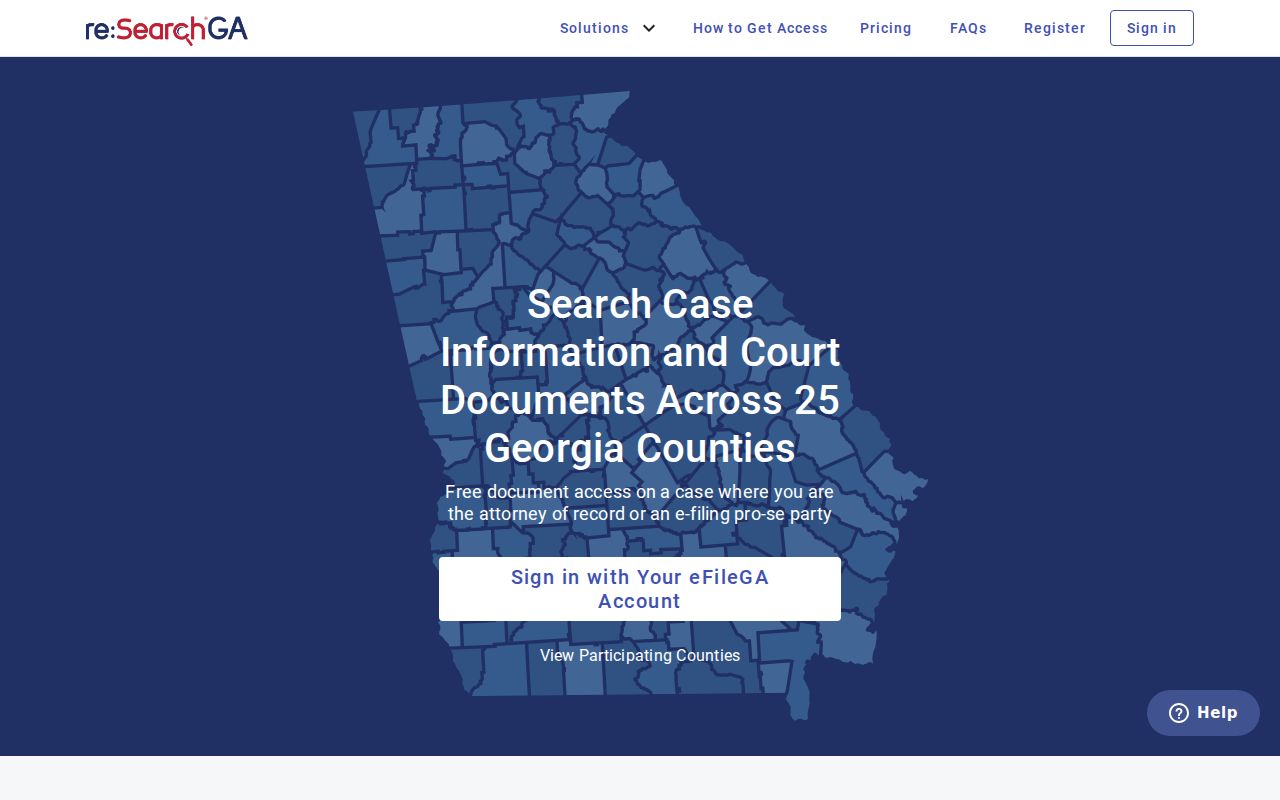
The portal can help locate a case, while the Berrien clerk remains the source for local file questions and certified documents.
Berrien Disposition Records
A disposition tells how a charge ended. It may show dismissal, plea, conviction, acquittal, or another result. A sentence records the court's punishment. Neither should be confused with the sheriff's actual release processing. Time served, credit, consecutive terms, detainers, and administrative steps may affect the custody exit.
For sentence completion, request the judgment and any later orders. For probation, request the term and modifications. For revocation, request the revocation order and resulting sentence. For a state commitment, compare the court material with GDC. This produces a better timeline than reading a charge list alone.
Georgia Court Records Requests
Georgia's Open Records Act, O.C.G.A. Section 50-18-70 and following sections, governs access to many government records. Courts also apply their own record and filing rules. Agencies generally respond within three business days by producing available records or explaining when responsive records can be produced. Lawful fees and exemptions may apply.
Certified copies should come from the clerk. A screenshot or docket summary may help with research, but it does not carry the same status as a certified order. Juvenile or sealed information may be restricted. Ask the clerk what can be released rather than assuming that a missing portal document does not exist.
Build a Berrien Case Timeline
Begin with the arrest and booking shown by the sheriff. Add the first appearance and bond order from Magistrate Court when relevant. Then add the Superior Court accusation or indictment, plea or trial result, judgment, sentence, and any later modification. Finish with the sheriff release, GDC admission or discharge, parole action, and DCS supervision record that actually applies.
Label every item with its source. The arrest date does not prove guilt. The bond order does not prove payment. The sentence date does not always equal the release date. A probation order does not prove parole, and a transfer does not prove community release. This disciplined sequence exposes gaps that a single portal view can hide.
If two sources conflict, request the underlying document instead of selecting the more convenient date. A later amended order may explain the change. Jail staff may also complete processing after the judge acts. Use case number, warrant number, inmate ID, and GDC ID to keep the records tied to the same person.
Berrien Record Restriction Questions
Georgia generally uses the term record restriction for limiting eligible criminal-history access. It is not the same as deleting every court or jail record, and eligibility depends on the case result and law. The clerk can identify the filed disposition, while the appropriate agency or legal process controls restriction.
Do not assume that release, dismissal, or sentence completion automatically removes a booking entry. Ask for the actual disposition and the official procedure that applies. A court portal's missing result is not proof of restriction, and an old roster entry is not proof of the current legal status. The signed order, clerk docket, and originating agency response are the sound sources for what changed and when. Preserve the case number with any certified copy.
Berrien Courts and Release Proof
Magistrate and Superior Court records answer different stages of a Berrien case. The first appearance and bond decision can originate in Magistrate Court. A felony prosecution, plea, trial, sentence, or later probation action belongs in Superior Court. The OffenderIndex charge detail can name a court and warrant number, which are useful request keys. Copy those fields exactly before contacting the clerk.
Bond deserves special care. The roster's Total Bond field reports an amount connected to the jail record. It does not show by itself that the bond was posted, accepted, or followed by release. The court order supplies the legal terms, while the jail supplies the custody exit. A person may remain held on another charge or detainer even after one bond is addressed.
A sentence marked time served can also require record matching. The court determines the sentence and applicable credit, but the jail carries out release processing and checks other holds. The order date and release time can therefore differ. If the sentence commits the person to GDC, leaving Berrien County Jail is a transfer to state custody rather than a release into the community.
Online court tools can shorten the search, but they have distinct roles. re:SearchGA and PeachCourt may help locate or view material subject to their coverage and access rules. GSCCCA eCert is identified by the clerk for certified court and real-estate records, while EZ-Filing is a filing route for criminal cases and pleadings. Filing access, public viewing, and certified-copy service should not be treated as one function.
If an online result omits the final disposition, ask the clerk for the docket and signed order. A certified copy is useful when the exact language matters. The sheriff remains the source for the booking sheet and release entry. GDC, the Parole Board, and DCS enter the chain only when the sentence or later record supports state custody or supervision.